

Table of Contents
Noticed your smile changing over the years? Crooked teeth are not just a teen issue, and adults often see shifting, crowding, or new spacing even if they had braces in the past. The good news is that modern orthodontics offers multiple ways to improve alignment, including clear aligners like Invisalign, depending on your goals and the complexity of your bite.
Key Takeaways
-
Adult teeth can shift over time due to normal aging, chewing forces, and other factors, which can lead to crowding or spacing.
-
Genetics and jaw size can contribute to crooked teeth, and some causes start early, even if changes show up later.
-
Adult orthodontic treatment is often successful, though it may take longer or require different approaches than teen treatment.
-
Clear aligners can work well for many cases, but they are not right for everyone, and some situations are treated more predictably with braces.
-
Retainers matter after treatment because teeth can shift again without long-term retention.
Why Do Adults End Up With Crooked Teeth?
Teeth are not locked in place forever. They sit in the living bone and are influenced by everyday forces like chewing, clenching, and how your teeth contact each other. Over time, those forces can contribute to gradual movement. Teeth shifting can be a natural consequence of aging and regular activity like chewing. Some adults also start with a genetic setup that makes crowding more likely, such as jaw size or tooth size mismatches. Genetics, crowding, jaw size/shape, and bite issues (like overbite or underbite), among other factors, are linked to crooked teeth.
Other contributors can include tooth loss (nearby teeth may drift), grinding, and gum disease that affects bone support. Periodontal problems can change how stable teeth feel and can allow movement that did not happen before.
Do Crooked Teeth Matter Beyond Appearance?
Sometimes yes, sometimes no. Mild crowding may be mostly cosmetic, but alignment can influence how easy teeth are to clean and how bite forces are distributed. When teeth overlap, it can be harder to floss effectively between tight contacts, and plaque can build up in areas that are difficult to reach consistently.
Bite alignment can matter too. Malocclusion is a misalignment of the teeth; orthodontic treatment in adults is often successful, though it may require longer use of braces or other devices.
Crooked Teeth As An Adult: What Are Your Options?
Adults typically have several paths, and the best one depends on what is driving the crookedness and what outcome you want. Treatment may include aligners, braces, or a combination approach, depending on your unique needs. Clear aligners can be a fit for many mild-to-moderate alignment issues, while braces may be recommended for more complex tooth movements or bite corrections. Clear aligner therapy has benefits but may not work for all orthodontic issues, and braces may be necessary depending on the case.
A Quick Guide To Common Adult Straightening Paths
If you are trying to make sense of the menu of options, it helps to categorize them. First, focus on whether the goal is real tooth movement or a cosmetic change in appearance. Second, remember that complexity and bite function often drive which option is most predictable.
- Clear Aligners (Like Invisalign): Removable trays designed to gradually move teeth; not ideal for every case, and an orthodontist can determine fit and limitations.
- Braces: Fixed appliances that can handle more complex movements and bite changes; sometimes recommended when aligners are less predictable.
- Retainers: Used after straightening to help maintain results and reduce relapse, since shifting can happen over time.
- Adjunctive Care: In some situations, other dental care may be needed first, such as addressing gum disease or missing teeth that influence bite stability.
What Is Invisalign Like For Adults?
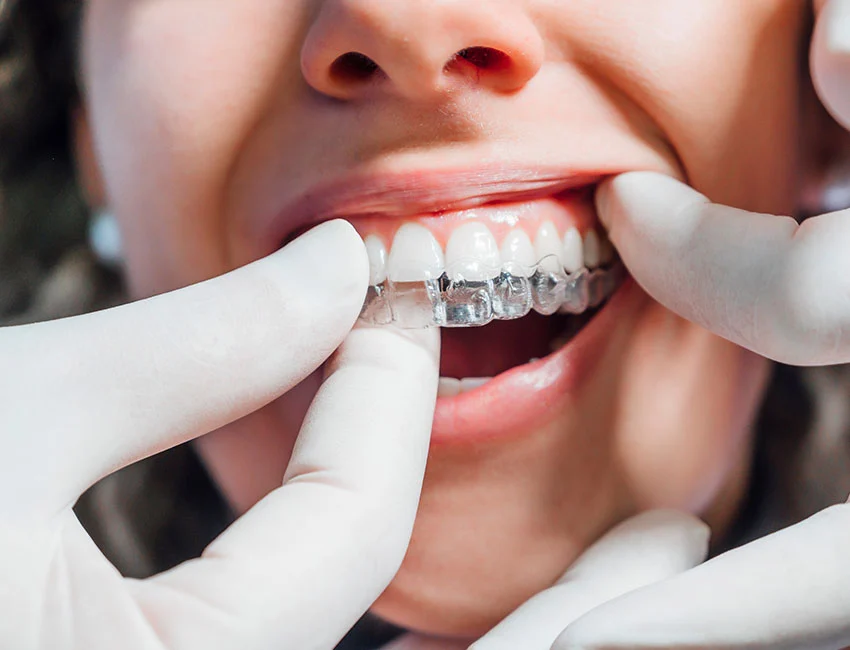
Clear aligners like Invisalign are designed to apply gentle, planned pressure to move teeth in small steps. Adults often like aligners because they are removable for eating and cleaning, but removability also means consistency matters. Aligners work best when worn as directed and when you stay on schedule with follow-ups. It is also important to know that aligners are not universal. Clear aligners are not right for everyone, and your orthodontist will recommend the best option based on your needs, which may include aligners, braces, or a combination.
What Should You Ask At A Consultation?
A consultation is the best place to turn general curiosity into a clear plan. You do not need to know technical terms to ask good questions, but you do want clarity on diagnosis and long-term maintenance. Ask what is causing your alignment changes, whether the issue is primarily crowding, bite misalignment, or shifting related to other factors like grinding or gum health. Ask whether aligners or braces are expected to be more predictable in your case and why. It is also smart to ask what retention will look like after treatment, since relapse is common without it.
A Straighter Smile Can Still Be A Practical Goal
Adults are not too late for orthodontic care. If crooked teeth are affecting how you feel about your smile, how you clean, or how your bite functions, there are typically multiple options to consider. An evaluation can determine whether Invisalign clear aligners are a match for your goals, or whether another approach fits better based on complexity and long-term stability.
If you want to learn more about Invisalign clear aligners, visit our Invisalign in Camarillo page or schedule a consultation.