

Table of Contents
Wondering how to tell if your gums are in trouble? You’re not alone, and the earliest signs of gum disease are surprisingly easy to overlook. Gum disease is a bacterial infection that causes gums to swell and slowly breaks down the tissue and bone supporting your teeth. Left alone, it moves from mild, reversible gingivitis to advanced periodontitis, which can eventually cost you teeth. Spotting the warning signs early is what makes periodontal care so effective, since the sooner it’s caught, the easier it is to treat.
Key Takeaways
- Gum disease often starts without huge issues, so the early signs are easy to miss.
- Bleeding, red, or swollen gums are among the most common first warnings.
- Bad breath, gum recession, and loose teeth signal that the disease is advancing.
- Caught early as gingivitis, gum disease is reversible with good care.
- Regular periodontal care and cleanings stop small gum problems from becoming tooth loss.
1. Bleeding Gums When You Brush or Floss
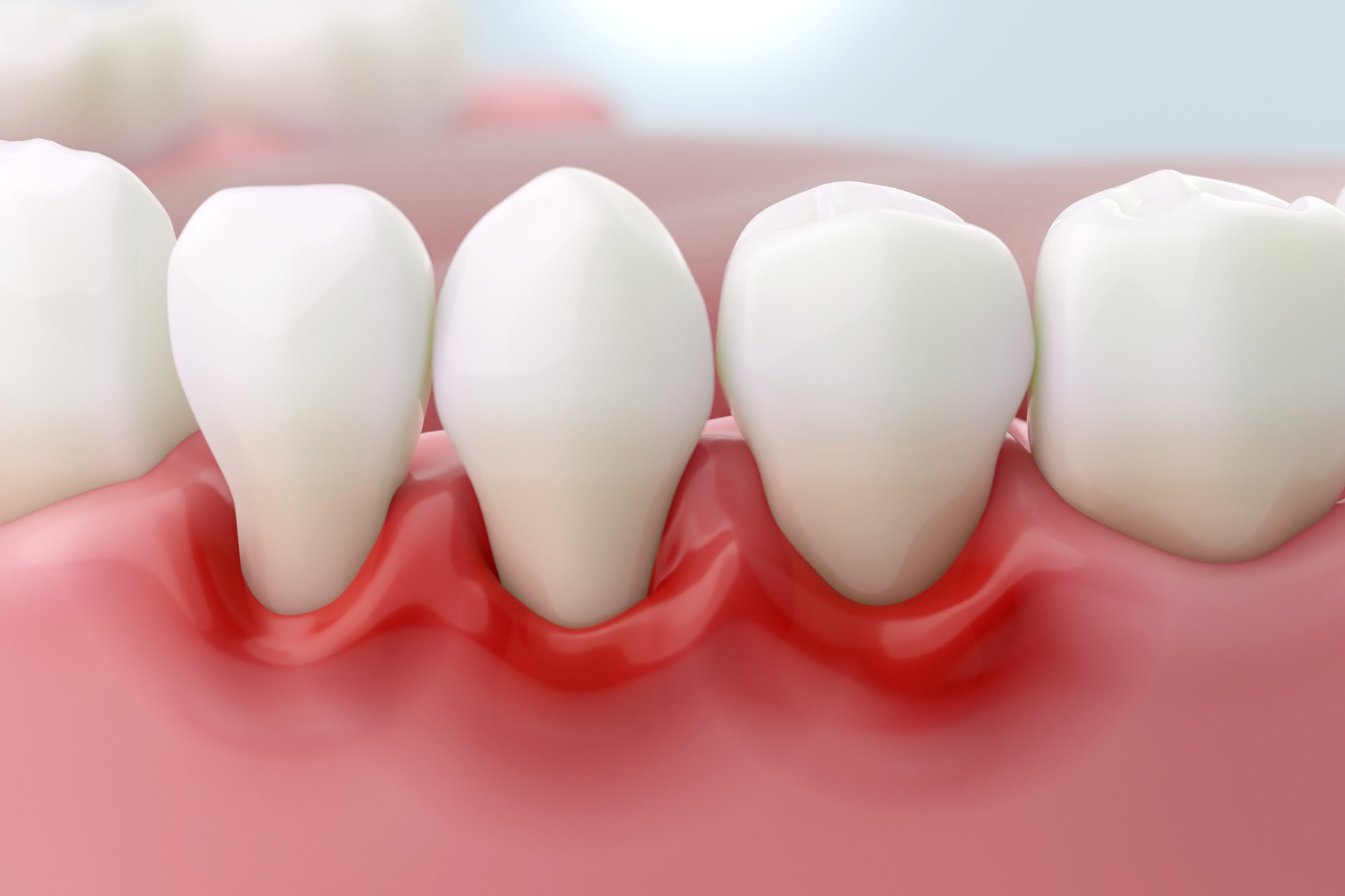
This is the classic early red flag. Healthy gums don’t bleed during normal brushing or flossing, so pink in the sink is worth paying attention to. According to WebMD, gingivitis, the mildest form of gum disease, brings swelling, redness, and bleeding around the teeth, and almost half of adults over 30 already show signs of gum disease. Bleeding usually points to plaque building up along the gumline and irritating the tissue. The reassuring part is that at this stage, the problem is often fully reversible.
2. Red, Swollen, or Tender Gums
Healthy gums look pink and firm, not puffy or angry. When gums turn red, shiny, or tender to the touch, inflammation is usually underway. This swelling comes from the body reacting to bacteria trapped in plaque and tartar along the gumline. You might notice it most right after brushing, or feel a dull soreness while eating something crunchy. It’s the gums asking for attention before the irritation works its way deeper.
3. Persistent Bad Breath
Most patients get bad breath now and then, but breath that won’t quit is a different story. When bacteria collect in the pockets between the gums and teeth, they give off toxins that cause a stubborn odor. Brushing, flossing, and mouthwash might mask it for a while, but the smell keeps returning if the source sits below the gumline. Ongoing bad breath, or a lingering bad taste, often means bacteria have settled in where a toothbrush can’t reach. That’s a cue for a professional cleaning rather than another mint. The odor is often strongest first thing in the morning, when the bacteria have had all night to multiply undisturbed.
4. Receding Gums or Longer-Looking Teeth
If your teeth suddenly look longer, your gums may be pulling away from them. Gum recession exposes more of the tooth, and sometimes the root, as the supporting tissue breaks down. It tends to creep in slowly, so it’s easy to miss until sensitivity to hot or cold drinks shows up. Receding gums also open little pockets where bacteria gather, which can speed the damage along. This is a sign the disease has moved past its earliest stage and needs prompt attention.
5. Loose or Shifting Teeth
This is the most serious sign on the list. When gum disease reaches the bone that anchors your teeth, that support begins to erode, and teeth can loosen or drift out of place. You might feel a little movement when you chew, or notice your bite feels different than it used to. Loose teeth point to advanced periodontitis, where bone loss has already taken hold. At this stage, prompt periodontal care offers the best chance to save the teeth involved. The bone doesn’t rebuild on its own, so acting quickly is what keeps a loose tooth from becoming a lost one.
Frequently Asked Questions
Can gum disease be reversed?
In its earliest stage, gingivitis, yes. A professional cleaning and better home care can return the gums to health, though advanced periodontitis can be managed but not fully undone.
Is gum disease painful?
Often not, especially early on, which is a big reason it goes unnoticed. Discomfort usually shows up only in the later stages, so waiting for pain is a risky strategy.
How is gum disease treated?
Mild cases respond to a thorough cleaning and sharper brushing and flossing. Deeper cases may need scaling and root planing, or a referral to a periodontist.
Acting on the Early Signs
Knowing the signs of gum disease puts you a step ahead, because the earlier you notice them, the simpler the fix tends to be. Bleeding, swelling, bad breath, recession, and loose teeth are all your gums asking for help, and none of them should be shrugged off. The encouraging part is that steady periodontal care, at home and in the chair, keeps most gum problems from ever reaching the serious stages. A dentist can check your gum health, measure any pockets, and get you back on track before small issues grow. A quick visit now beats the alternative later by a wide margin.
If you want to learn more about the signs of gum disease, visit our Periodontal Care in Camarillo, CA, page or schedule a consultation.