

Table of Contents
Have you ever looked in the mirror and thought, “If I could lock in this exact smile for years, would I do it?” and then wondered what that timeline really looks like at a place? If you have been asking how long porcelain veneers, you are not alone, and the answer is both reassuring and surprisingly personalized. Dental experts help patients choose veneer designs that look natural now and stay beautiful over time. This is why the real question they hear most is, “How long do porcelain veneers last?”
Key Takeaways
-
Porcelain veneers typically last between 10 and 15 years, and with proper care, many patients can enjoy them even longer.
-
Your bite, habits (like clenching), and routine dental visits have a big impact on longevity.
-
Veneers are strong, but they are not indestructible, so protecting them matters.
-
A precise fit and careful planning help reduce chipping, debonding, and wear over time.
-
If a veneer ever chips, feels off, or you are in pain, a quick evaluation is the safest move.
How Long Do Porcelain Veneers Last With Real-World Wear?
When people ask how long porcelain veneers last, dentists like to explain it like this: Veneers can be long-lasting restorations, but your mouth is a high-use environment. Chewing, temperature changes, and your bite forces add up over time, which is why the “average” lifespan is a range, not a guarantee. Evidence reviews from the ADA also discuss veneer survival over time and note that complications like chipping or debonding can occur, even when overall survival is strong. A common range you will see from reputable clinical resources is about 10 to 15 years with proper care, and plenty of patients make it well beyond that with the right habits.
The good news is that porcelain is stain-resistant and designed to look natural. With thoughtful care and regular maintenance, many patients keep their veneer smiles looking bright and feeling comfortable for years.
What Helps Veneers Last Longer?
If you’re investing in Dental Veneers, the biggest “secret” is that veneer longevity is rarely about luck. It’s usually about fit, planning, and your daily habits. Porcelain is designed to be durable and stain-resistant, but it still needs the right foundation: healthy gums, stable enamel for bonding, and a bite that isn’t constantly stressing the edges. Staying consistent with dental exams also matters because your dentist can monitor the veneer margins, gum health, and bite changes before they turn into bigger issues.
What Can Shorten Veneer Lifespan?
The biggest threats are usually habits, not the veneers themselves. Using teeth as tools, biting nails, chewing ice, or crunching hard foods with your front teeth can increase the risk of small chips or edge wear.
Clenching and grinding can also stress veneers over time, especially at night when the forces are stronger and repetitive. If you’ve ever searched “dentist near me” because you want veneers done right the first time, that instinct is right—precision planning and a bite check are a huge part of long-term success.
What The Veneers Process Looks Like
Veneers should feel predictable, not intimidating. The best results come from a process that prioritizes comfort, precision, and clear communication, so you know what to expect at every step. Here’s a patient-friendly overview of how the veneer journey typically works.
- Consultation And Smile Planning: You’ll talk about what you want to change, what you love about your smile already, and what “natural” looks like for you. This is where dentists can help you choose shape, brightness, and overall vibe so it doesn’t look overdone.
- Digital Records And Detailed Measurements: Photos, scans, and careful measurements guide the design so the veneers fit your bite and your facial features.
- Conservative Tooth Preparation (When Needed): Depending on your case, a small amount of enamel may be adjusted so veneers sit flush and look realistic.
- Temporaries (If Appropriate): Temporary veneers can protect the teeth and preview your new look while the final veneers are crafted.
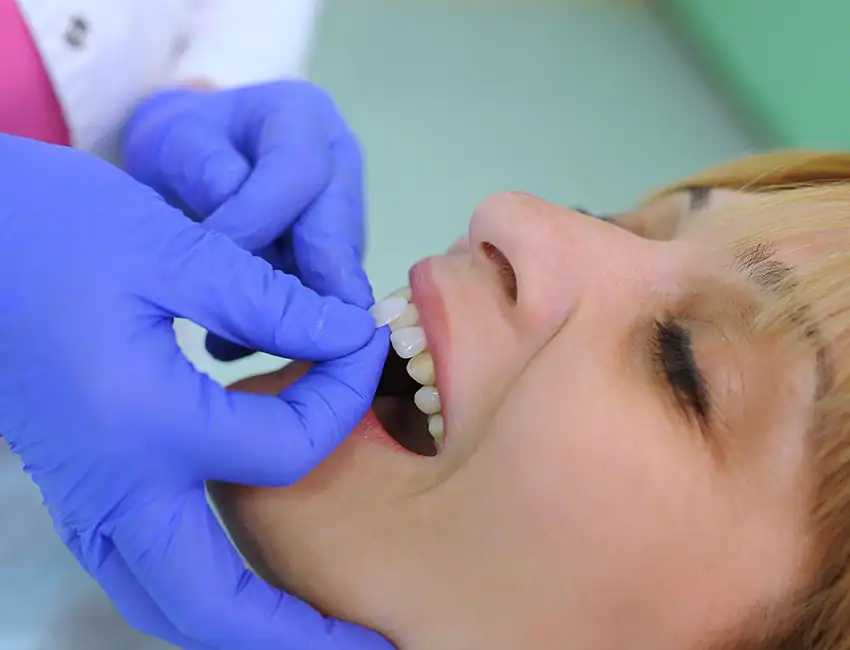
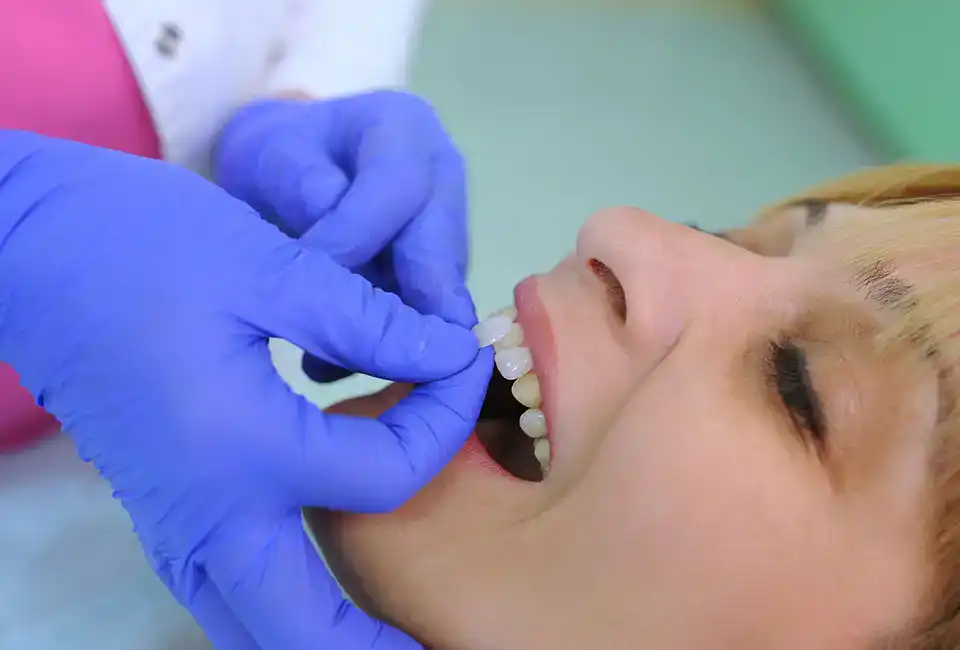
- Final Try-In And Bonding: Veneers are tried in for shade and shape, then bonded carefully for a secure, comfortable fit.
- Bite Check And Aftercare Guidance: This step is huge. A balanced bite can protect veneer edges from repeated stress. In many cases, this planning is one of the biggest reasons how long porcelain veneers last can stretch to the longer end of the range.
How Long Do Porcelain Veneers Last If You Grind Or Clench?
Grinding and clenching do not automatically disqualify you from veneers, but they do change the strategy. The ADA’s overview of veneer outcomes highlights complications like fracture and debonding as issues that can occur, and grinding can increase the stress that contributes to those problems.
For grinders, how long do porcelain veneers last often comes down to protection and bite management. That usually means a custom nightguard, thoughtful veneer design, and making sure your bite isn’t “hitting” the veneers too hard in any one spot. If you’ve ever typed “dentist near me” because you want cosmetic dentistry done carefully, you’re thinking the right way: the best veneers are the ones designed for your real bite, not just your smile goals.
Signs Your Veneers May Need Repair Or Replacement
Veneers usually don’t fail out of nowhere. Most patients notice small clues first, and checking them early can prevent bigger problems later. Here are a few signs to watch for.
- A veneer looks chipped, rough at the edge, or has a visible hairline crack.
- You feel a new “catch” when flossing around one veneer.
- A veneer feels slightly loose, or your bite suddenly feels different.
- Your gums look irritated around one specific veneer.
- Sensitivity starts or worsens, especially to cold.
If anything feels urgent, do not wait. For pain, swelling, or a sudden chip, review the Emergency Dentist page and reach out right away for guidance.
Frequently Asked Questions
Do Porcelain Veneers Stain Over Time?
Porcelain is more stain resistant than natural enamel, which is one reason it’s so popular for smile makeovers.
Can Porcelain Veneers Chip?
Yes, they can chip, especially with nail biting, ice chewing, or an unbalanced bite. The ADA summary of veneer outcomes notes chipping as the most frequently reported complication in the review it cites.
Are Veneers Hard To Maintain?
Not usually. You care for veneers similarly to natural teeth: brush, floss, and keep routine checkups. The main “maintenance” is avoiding habits that add unnecessary force and protecting your bite if you clench or grind.
Ready To Explore Veneers?
The best smiles are the ones you can enjoy without constantly worrying about upkeep. If you’re considering veneers or you already have them and want to make sure they last, contact your dentist to schedule a consultation and get a personalized plan for protecting your results long term.
If you want to learn more about porcelain veneers, visit our Porcelain Veneers in Camarillo page or schedule a consultation.